At IMTO, we view sustainability in industrial packaging as an integral part of how we design, manufacture, and improve our products. We are constantly working to develop more efficient solutions and reduce the environmental impact of our processes by incorporating recycled materials, optimizing raw material consumption, and improving our production efficiency.
Our commitment to sustainability in industrial packaging is reflected in our use of recycled materials, the optimization of designs, and the development of solutions that help reduce the consumption of raw materials.
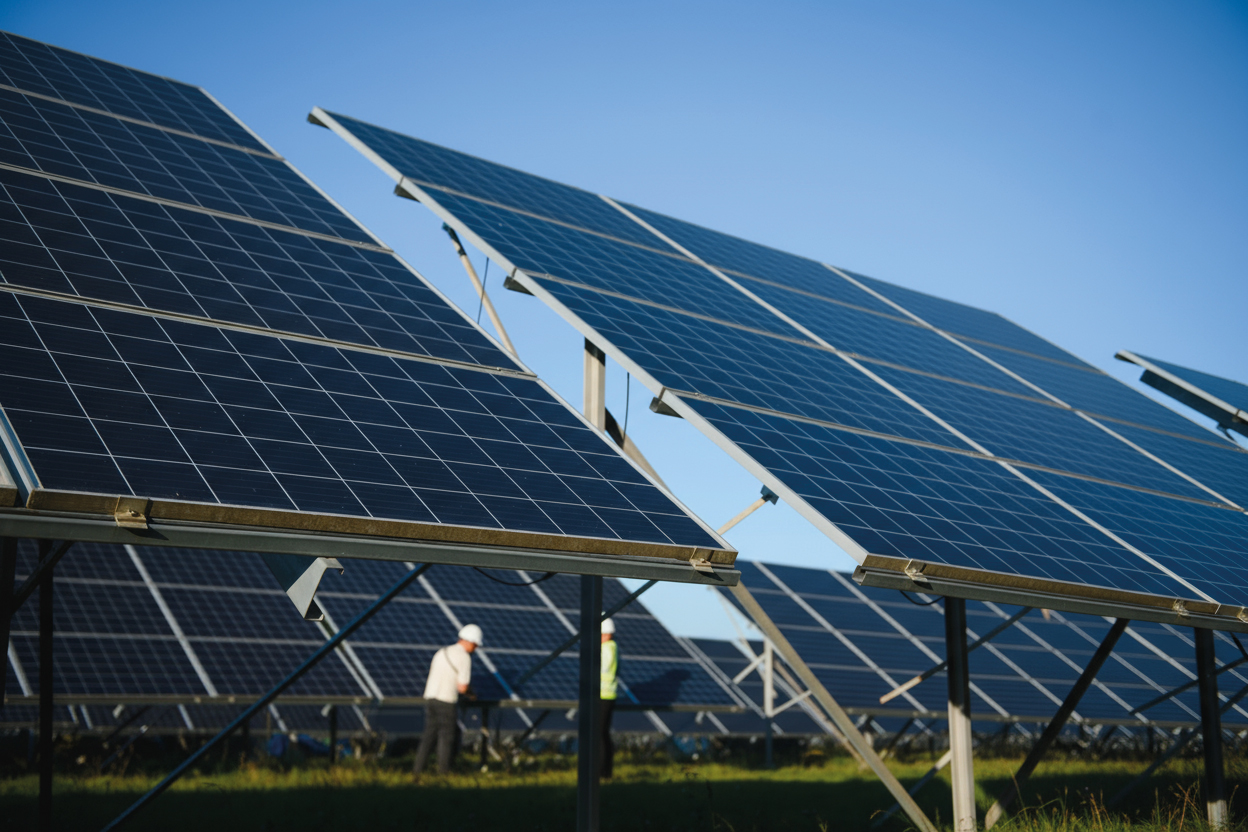
In this way, we generate our own energy using photovoltaic systems integrated into our processes.
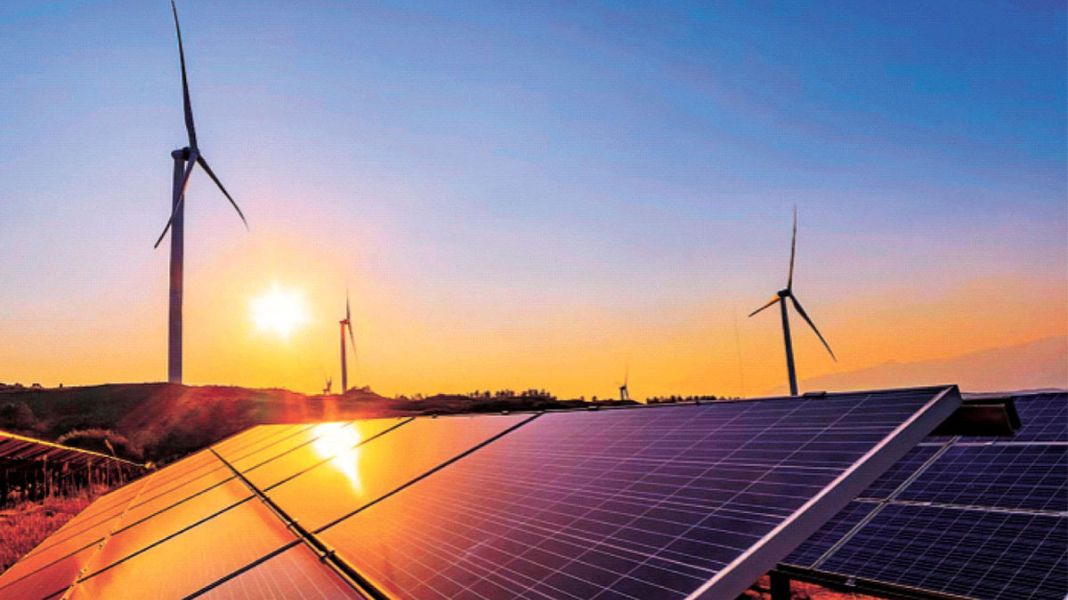
In this way, we supplement our energy consumption with certified renewable energy purchased from third parties.
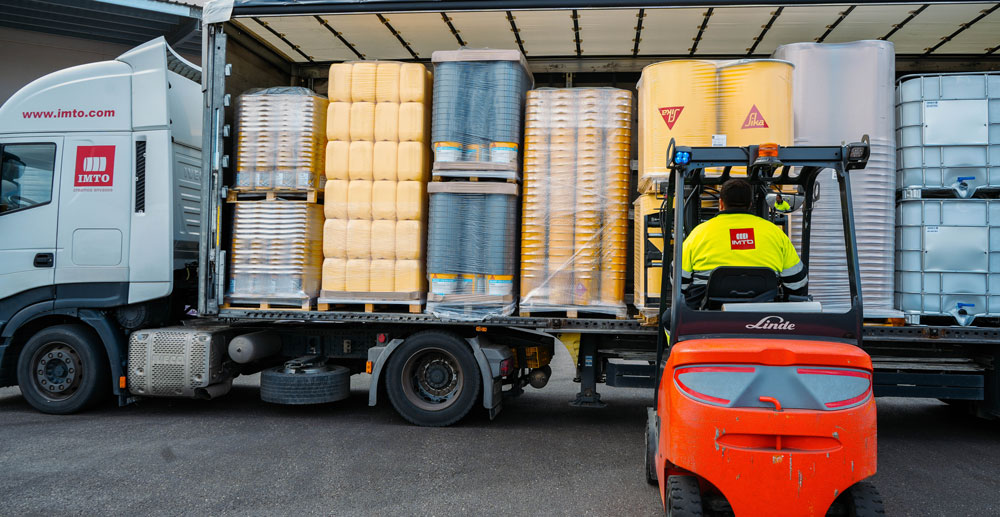
Thanks to our product mix, we avoid empty trips. 18% of our deliveries consist of combinations of different items, which allows us to minimize our emissions and meet our Scope 1 targets.
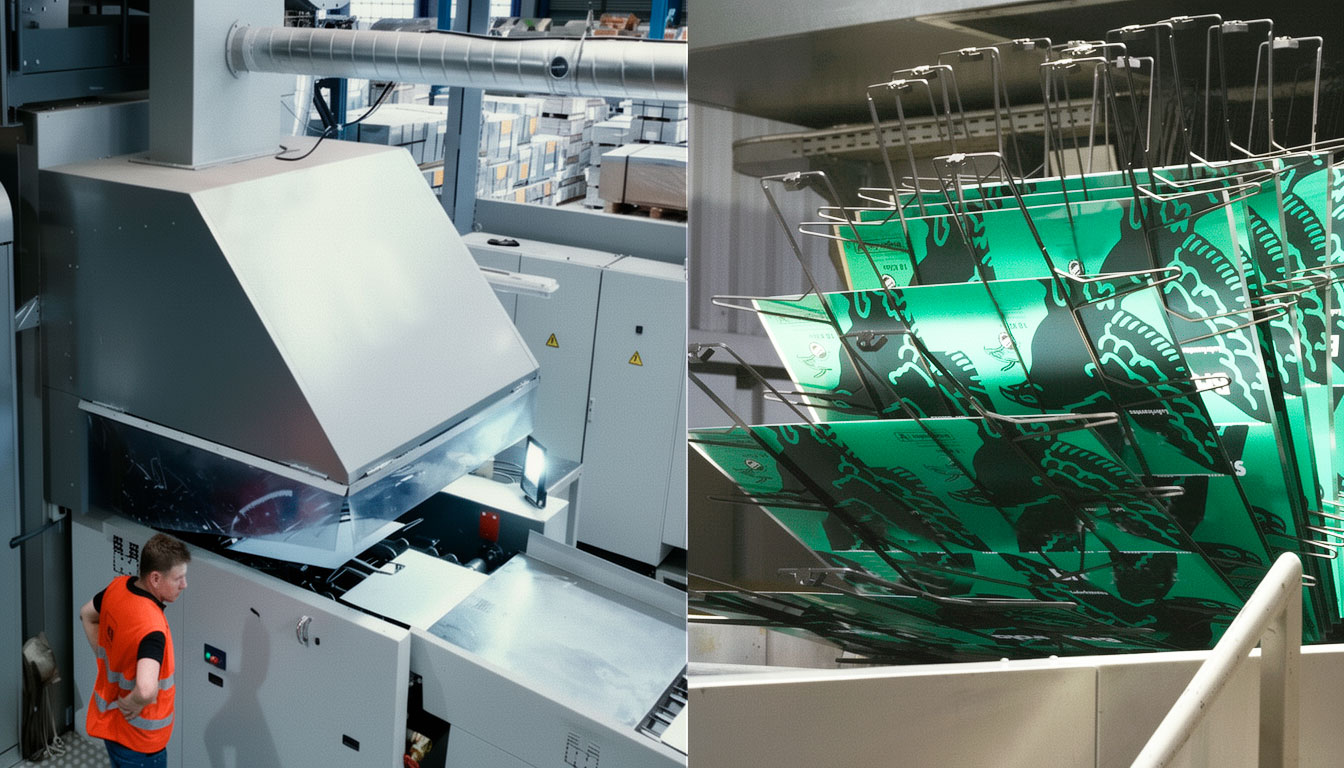
Commitment to production efficiency and the total elimination of waste.
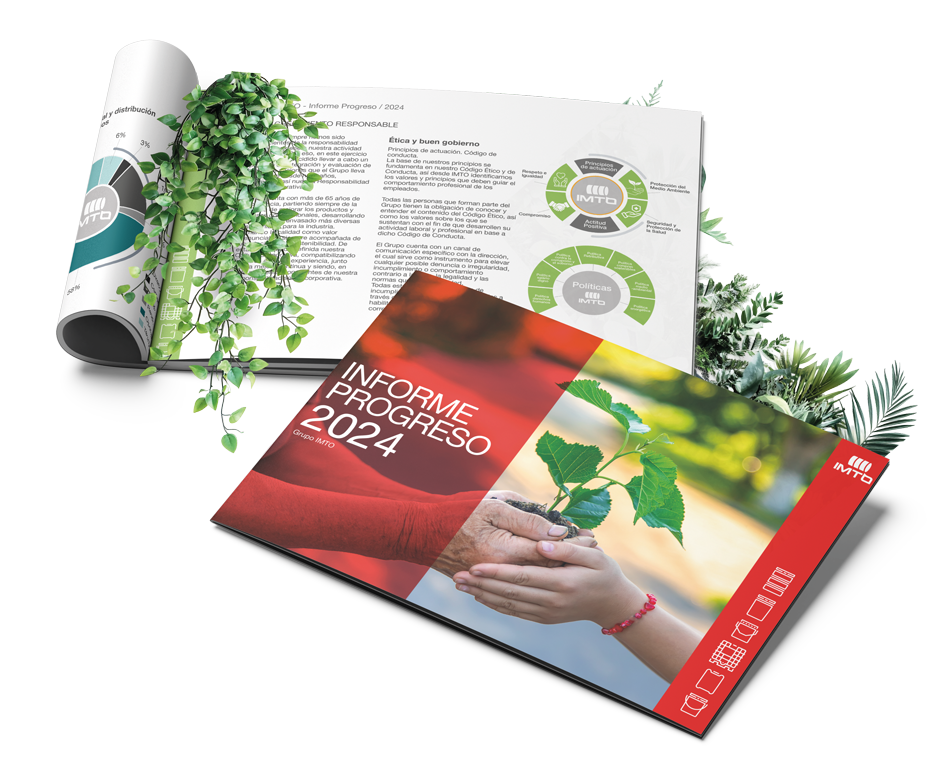
This report reflects our commitment to responsible management, the efficiency of our processes, and the development of more sustainable solutions over the long term.
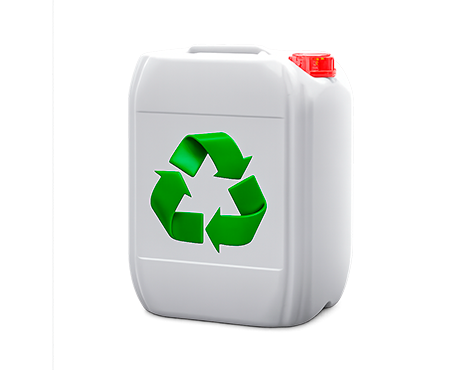
Reusable containers are those designed to be used over multiple cycles, maintaining their performance and safety after a proper cleaning and inspection process. They help reduce waste and promote a circular economy model.
Reusable packaging helps reduce the consumption of raw materials, minimize waste generation, and optimize costs over its useful life. In addition, it promotes more sustainable resource management and helps reduce companies’ environmental footprint without compromising the safety or performance of the packaging.
At IMTO, we offer a range of reusable containers, including 220-liter drums, 10-, 20-, and 25-liter jerry cans, and 1,000-liter IBCs, designed to provide a safe, efficient, and sustainable solution for various industrial applications.
At IMTO, we promote sustainability by incorporating post-consumer recycled plastic (PCR) into our iPack injection-molded plastic containers, developing optimized packaging that reduces raw material consumption without compromising performance, and continuously improving our production processes. In addition, we optimize our logistics to improve the efficiency of shipments and deliveries, helping to reduce our environmental impact and move toward a circular economy model.