1. Introduction.
The primary objective of IMTO’s energy policy is to manage the consumption of all forms of energy efficiently and responsibly, reduce the environmental impact of our operations, and ensure a secure and economical energy supply that supports the company’s long-term sustainability. Our policy is aligned with the principles of energy efficiency, reduction of greenhouse gas emissions, and the responsible use of natural resources.
2. Priority Objectives.
• Optimize Energy Consumption: Reduce energy consumption across all our production processes by implementing more efficient technologies and improving operational practices.
• Promote the Use of Renewable Energy: Encourage the gradual incorporation of renewable energy sources into all of our industrial operations.
• Reduce Carbon Emissions: Minimize greenhouse gas emissions through continuous process improvement and the adoption of clean and sustainable practices.
• Promote Energy Innovation: Support research and development of new energy technologies that optimize production processes and reduce environmental impact.
• Comply with Environmental Regulations: Work toward compliance with all local and international regulations related to energy consumption and pollutant emissions.
3. Strategy.
• Energy Efficiency in Production Processes: Continuously implement practices and technologies that improve the energy efficiency of industrial facilities, including upgrading obsolete machinery and equipment, as well as optimizing production processes to the greatest extent possible.
• Energy Audits: Promote the conduct of periodic energy audits to identify areas for improvement and optimize energy consumption at every stage of the production process.
• Smart Energy Management: Gradually implement energy management systems (such as ISO 50001) to monitor energy use,
• set goals, and make adjustments to promote improvements in energy performance.
• Incorporation of Renewable Energy: Research and evaluate the feasibility of installing solar panels and other renewable energy sources on the premises to cover part of the energy consumption.
• Staff Training and Awareness: Develop training programs for employees to raise their awareness of the importance of energy conservation and the adoption of sustainable practices.
• Improvements to Energy Infrastructure: Invest, to the extent possible, in energy-efficient infrastructure such as LED lighting, smart temperature and ventilation control systems, and the integration of energy-efficient equipment.
• Promote renewable energy among our suppliers: work with our suppliers to ensure they adopt the same energy policies as IMTO and report their progress to us.
4. Action Plan.
• Promote the development of a short-, medium-, and long-term action plan to ensure the feasibility of meeting the energy policy objectives.
• Short term:
or Conduct an initial energy audit
or Identify and assess the feasibility of replacing energy-intensive equipment with more efficient alternatives.
o Implement energy-saving awareness programs for all employees.
o Promote energy-saving awareness programs for all our suppliers.
• In the medium term:
or Manage the implementation of an energy management system (ISO 50001).
o Increase the number of solar panels at the company’s main facilities.
o Make adjustments to production processes based on the results of energy audits.
o Evaluate our suppliers’ energy policies.
• Long-term:
or Continuously reduce total energy consumption by optimizing production processes and adopting renewable energy sources.
o Gradually increase the adoption of renewable energy sources.
o Manage the phased implementation of a continuous monitoring system to ensure energy efficiency in all operations.
o Manage the phased implementation of a continuous monitoring system to ensure energy efficiency among all our suppliers.
5. Measurement and Evaluation.
To ensure the success of this energy policy, the following indicators and evaluation mechanisms will be established:
• Energy Consumption Indicators: Periodic monitoring of the consumption of all major energy sources.
• CO2 Emissions Reduction: Periodically assess greenhouse gas emissions generated by the company’s operations.
• Energy Efficiency Index: Establish key performance indicators (KPIs) to measure the energy efficiency of equipment and processes.
• Periodic Assessment: Conduct annual reviews of the company’s energy performance and incorporate findings into strategies as needed to meet established goals.
6. Measurement and Evaluation.
The company is committed to continuing to work toward continuous improvement in the area of energy, involving all its employees, suppliers, and business partners in the transition to more sustainable industrial practices. Our energy policy seeks not only to comply with legal requirements but also to lead the way in terms of corporate responsibility and environmental sustainability.
7. Conclusion.
IMTO’s energy policy is a key tool for improving competitiveness, reducing operating costs, and contributing to environmental protection. Through the implementation of energy-efficient practices and the promotion of clean and sustainable energy sources, we seek to establish ourselves as a responsible and forward-thinking industrial company.
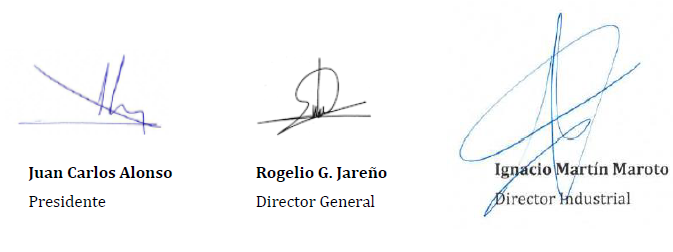
Mascaraque, January 28, 2025.